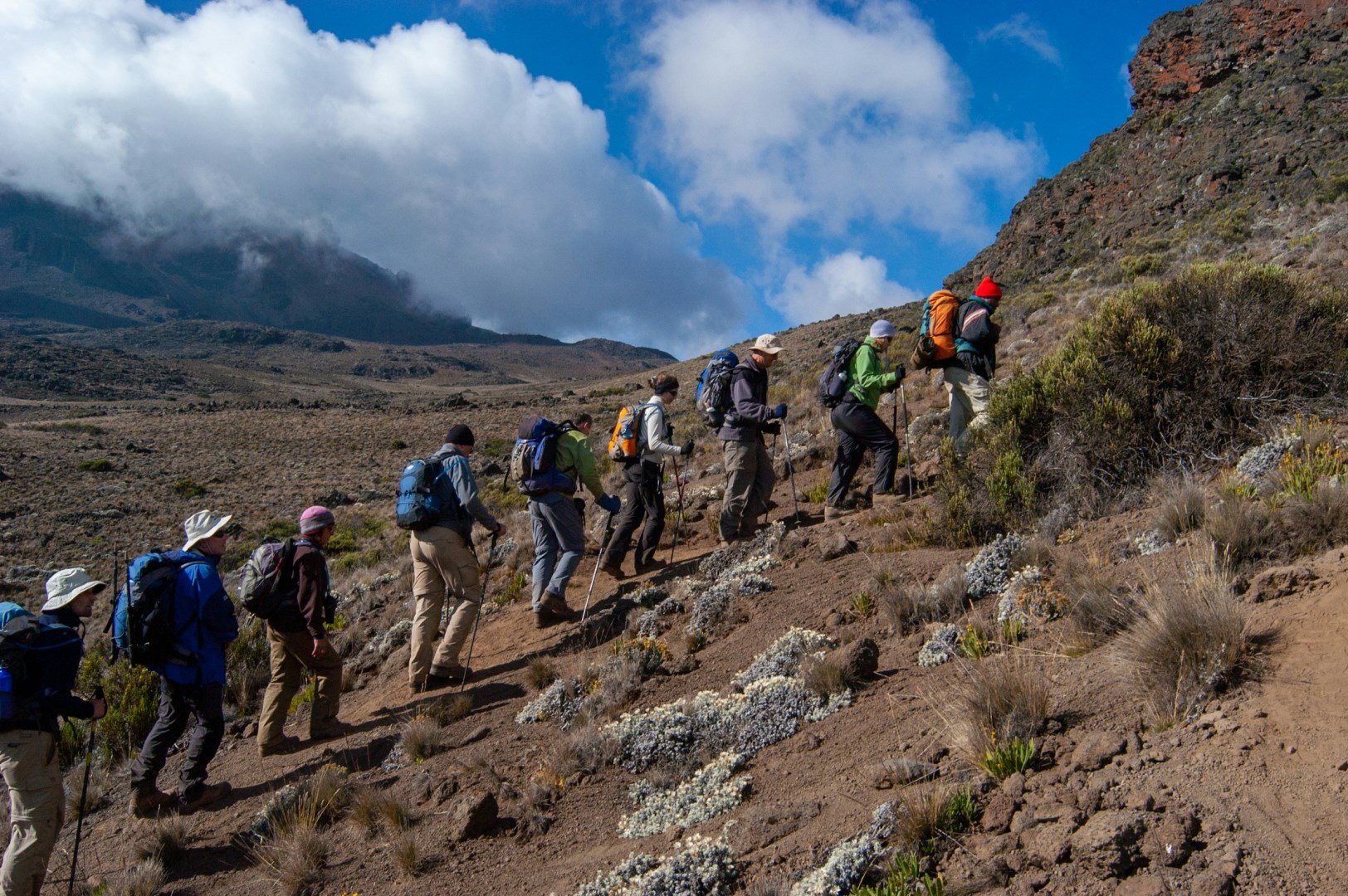
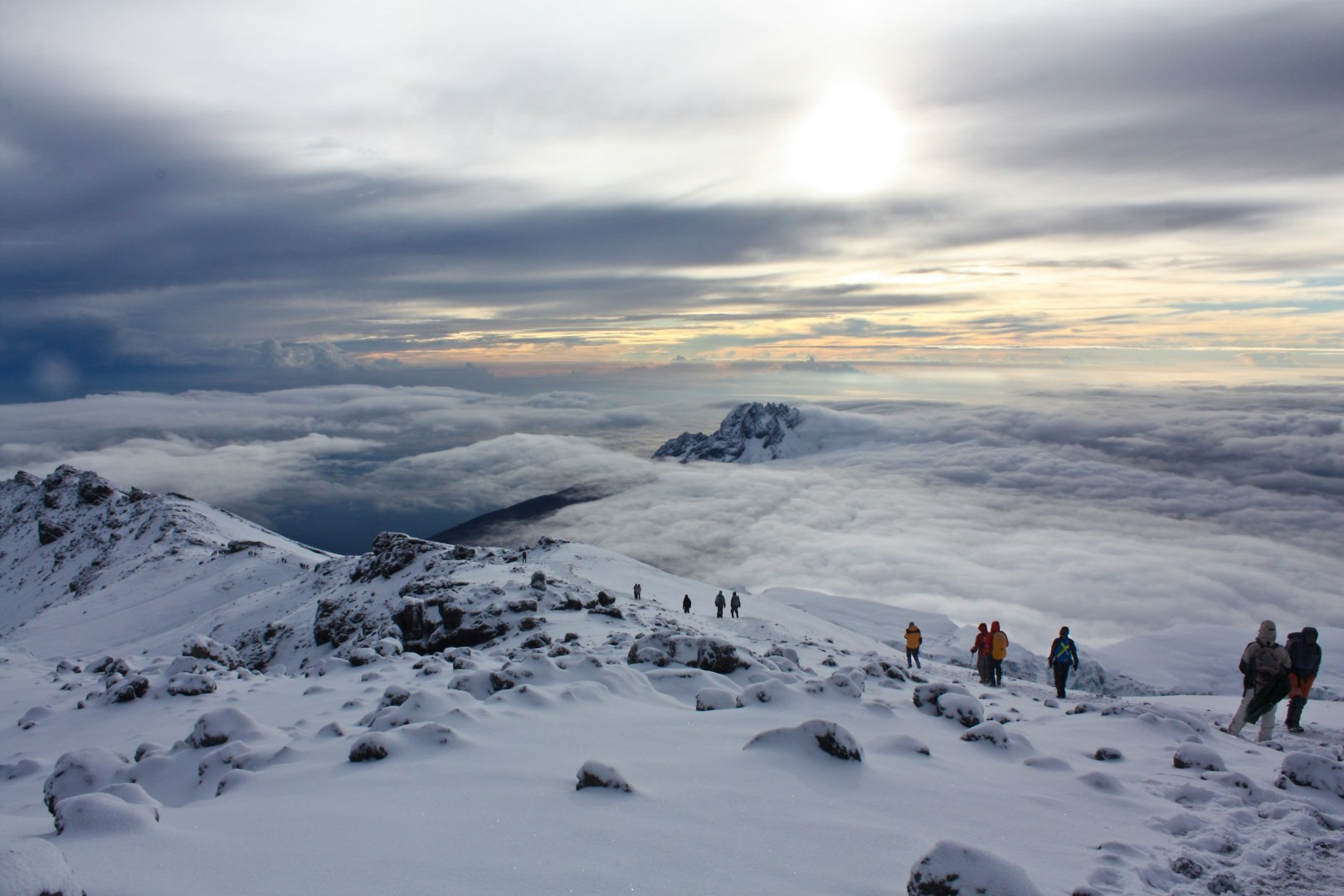
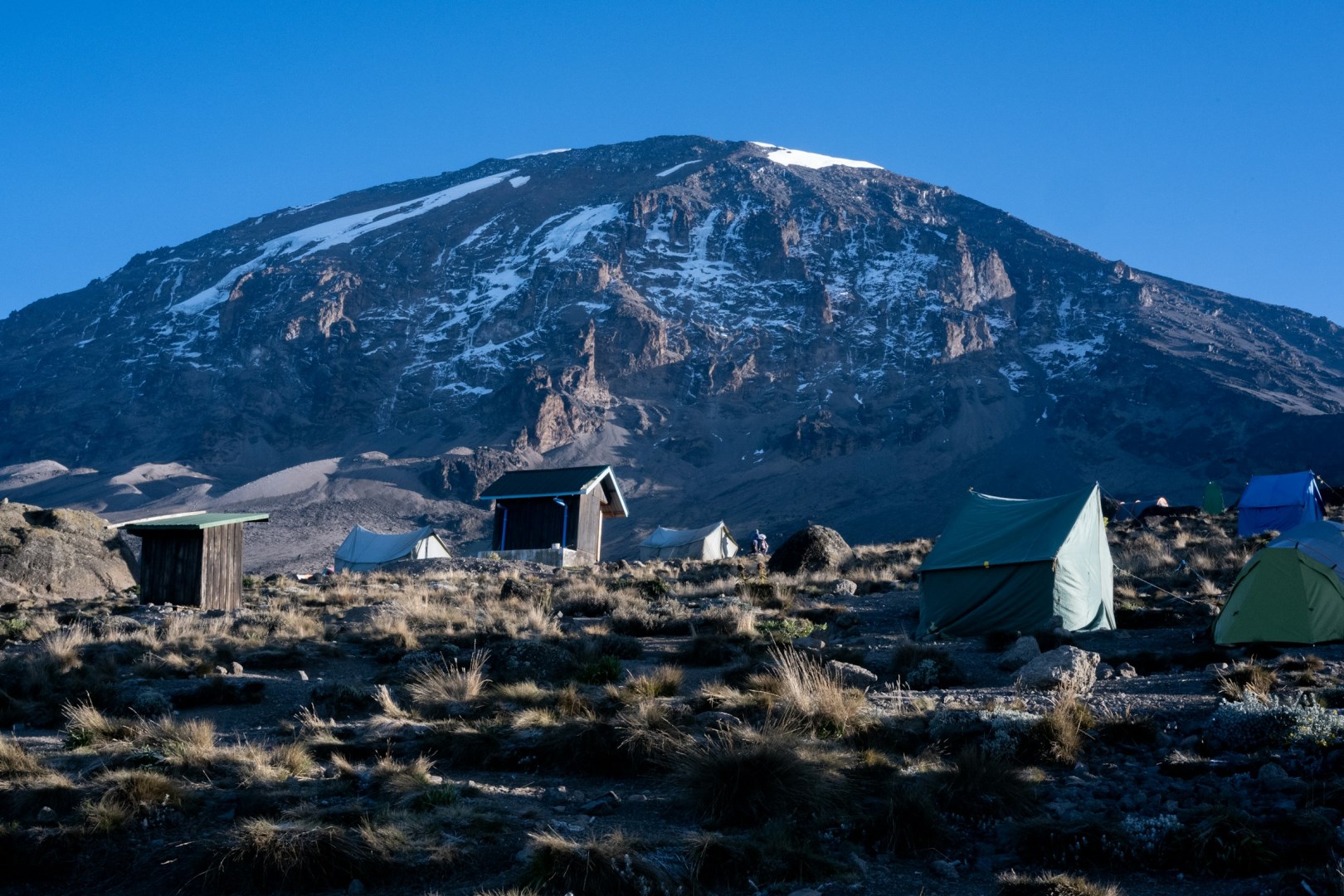
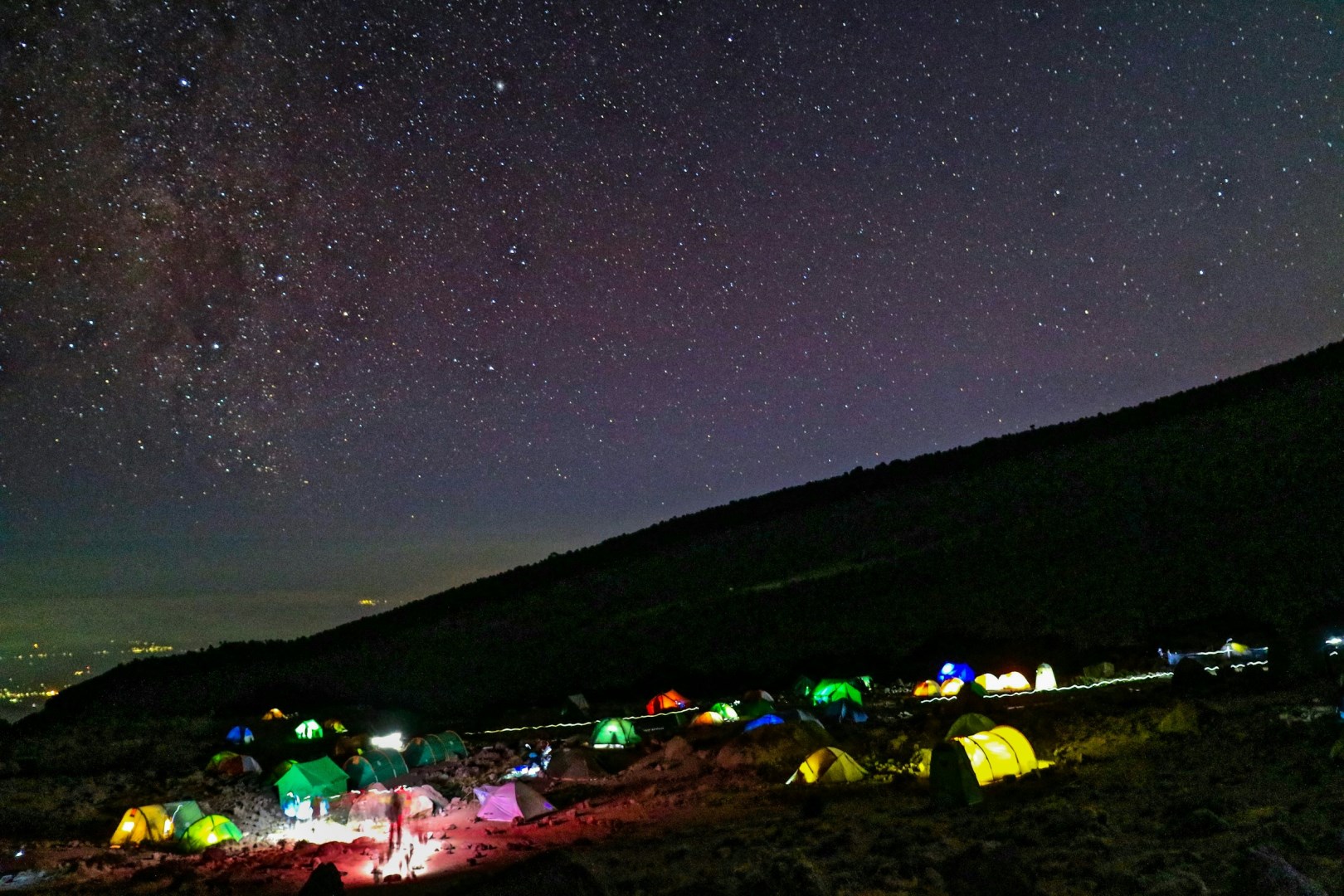
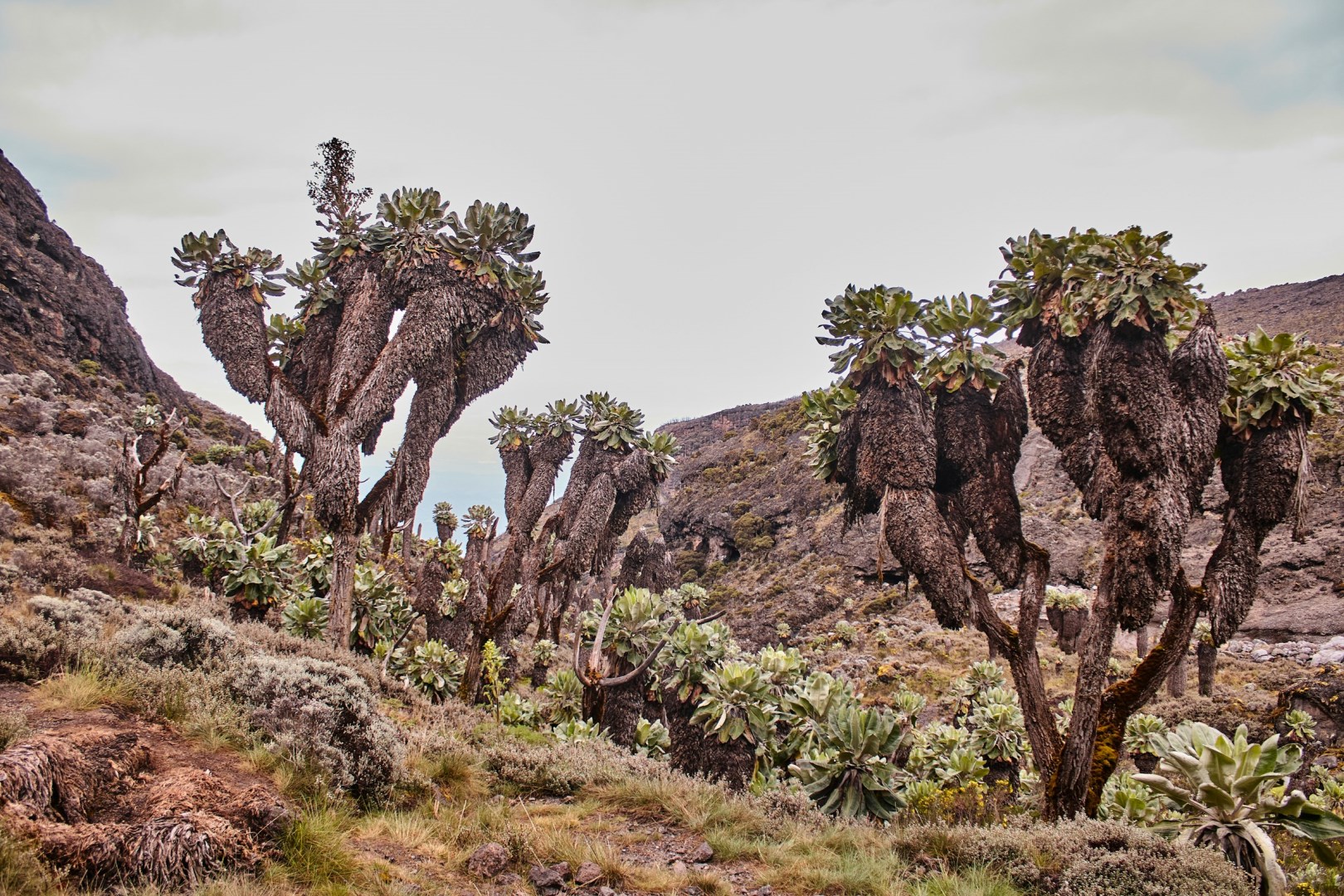
Mount Kilimanjaro, located in Tanzania, stands as Africa’s highest peak and an iconic symbol of adventure. This majestic stratovolcano rises 5,895 meters (19,341 feet) above sea level, making it one of the world’s most accessible high summits. Climbing Kilimanjaro offers a unique opportunity to traverse multiple climate zones, from lush rainforests and alpine meadows to the icy summit. The ascent is a journey through breathtaking landscapes, culminating in the awe-inspiring views from Uhuru Peak, where climbers can gaze out over Tanzania and beyond.
For those considering the trek, Kilimanjaro is renowned for its relatively non-technical climb, which means no specialized mountaineering skills are needed, though physical preparation is essential. Various routes such as the Marangu, Machame, and Lemosho offer different experiences, with treks ranging from five to nine days. Each path provides a distinct vantage point on the mountain’s diverse flora and fauna, and guided tours ensure that climbers are well-prepared and supported throughout the journey.
A fun fact about Mount Kilimanjaro is that its peak, with its glaciers and ice fields, is slowly receding due to climate change. Despite this, the mountain remains a stunning spectacle and a vital part of Tanzania’s heritage. Its name, "Kilimanjaro," is thought to derive from the Swahili words “Kilima” (mountain) and “Njaro” (shining), reflecting its snowy summit and majestic presence.
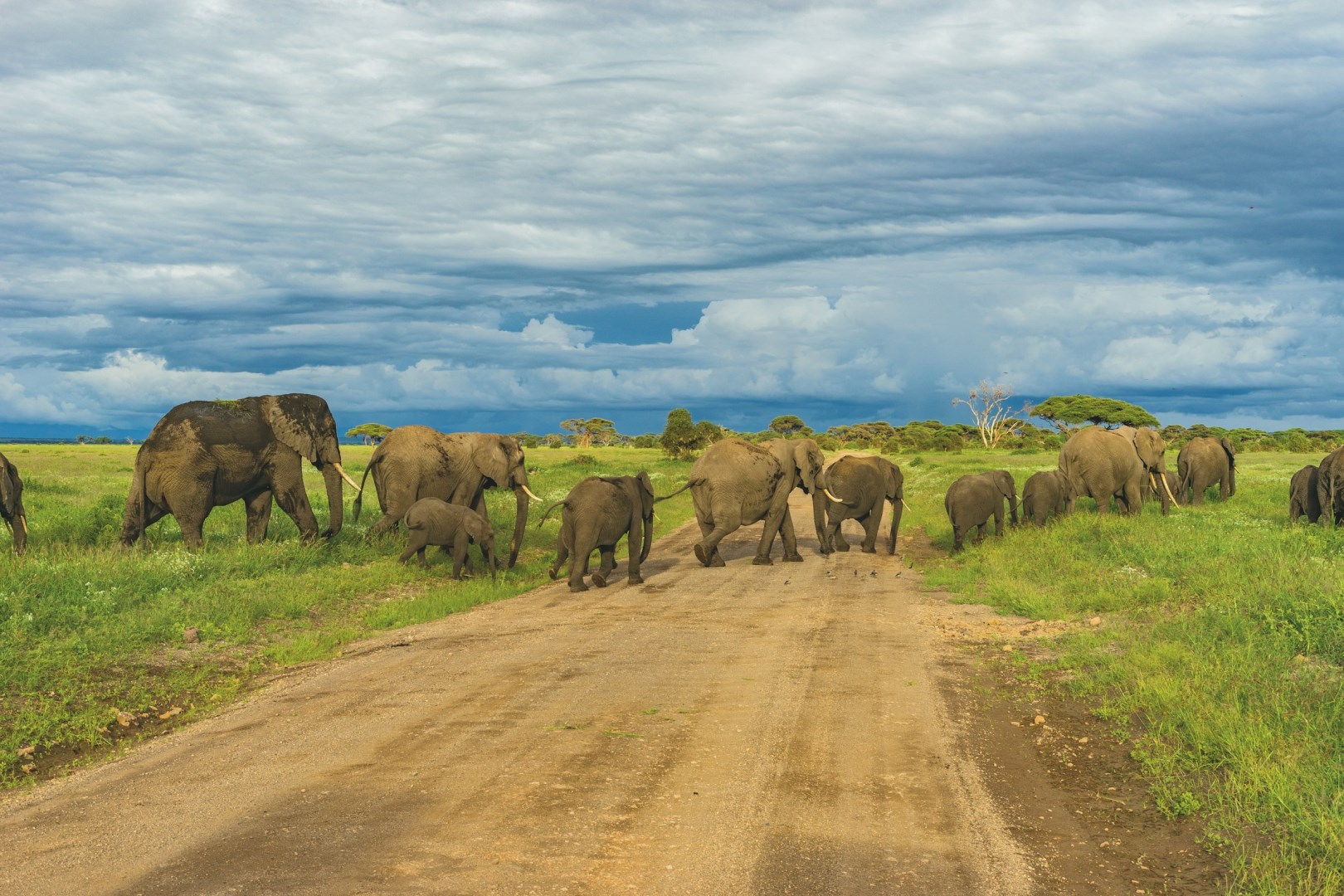
Beyond the climb, the surrounding Kilimanjaro region offers rich cultural experiences with local Chaga communities and vibrant markets. Visitors can enjoy the rich traditions of these mountain-dwelling people, adding an extra layer of depth to the adventure. Whether you are drawn by the challenge of the climb or the allure of its surrounding landscapes, Mount Kilimanjaro promises an unforgettable experience.