



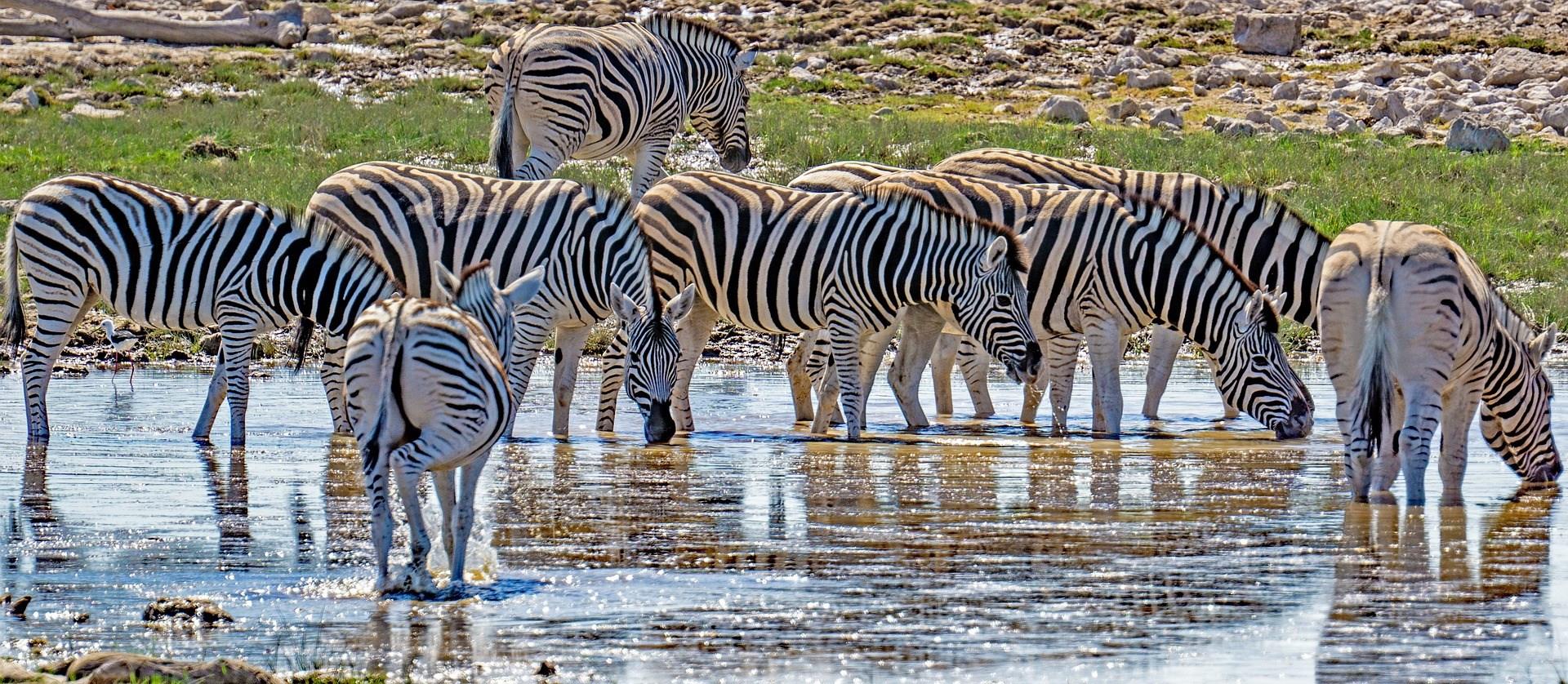

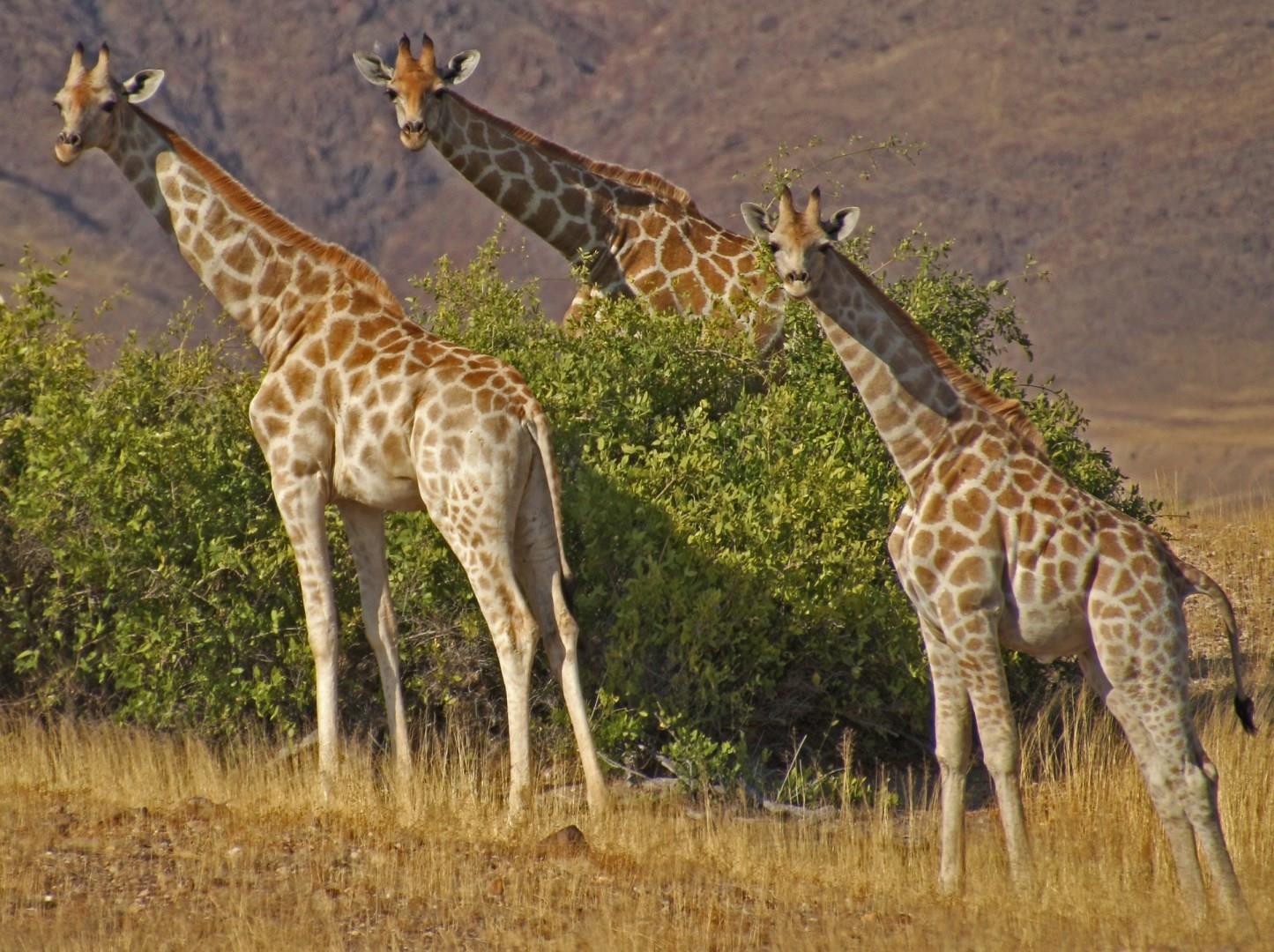

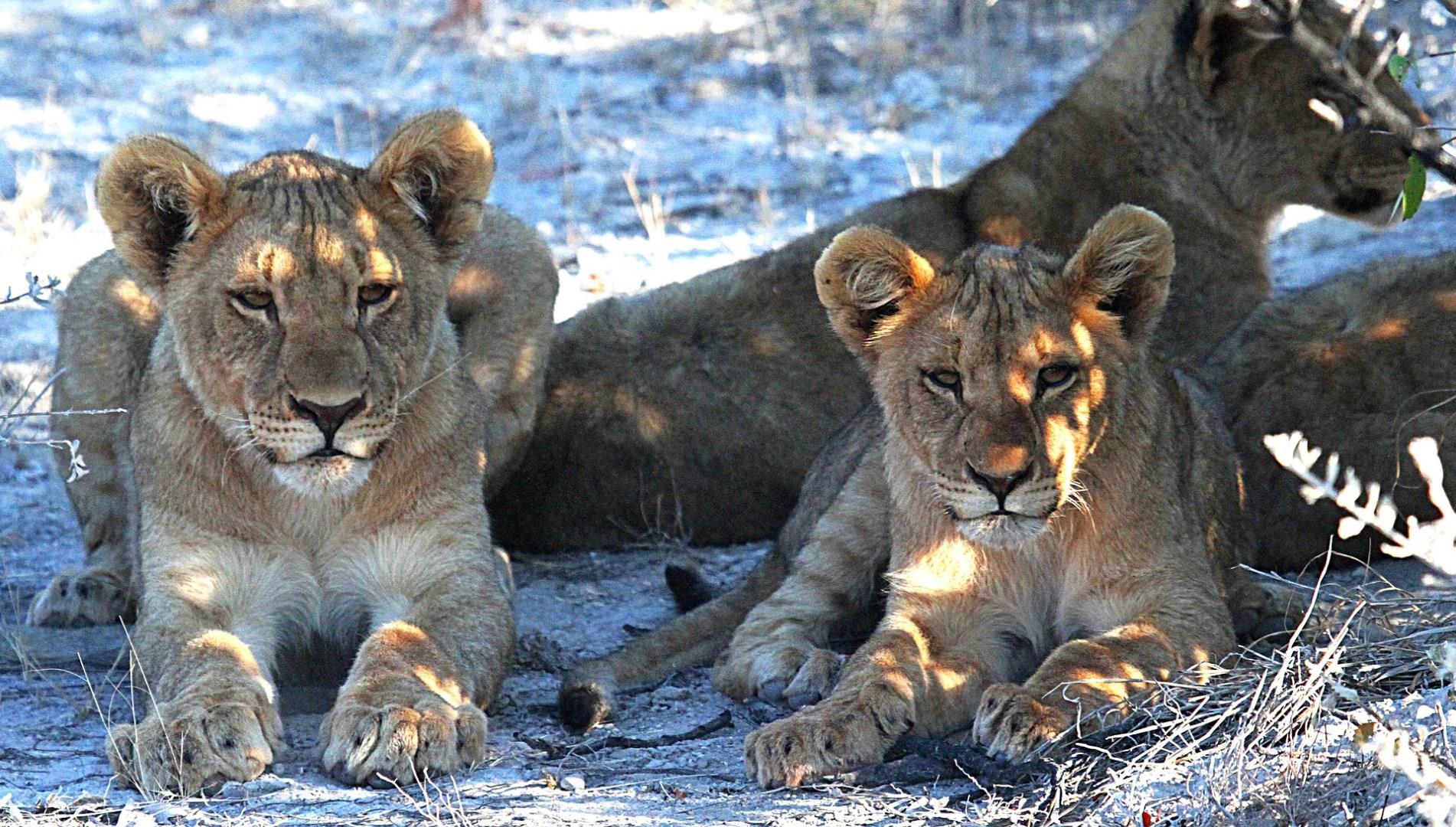

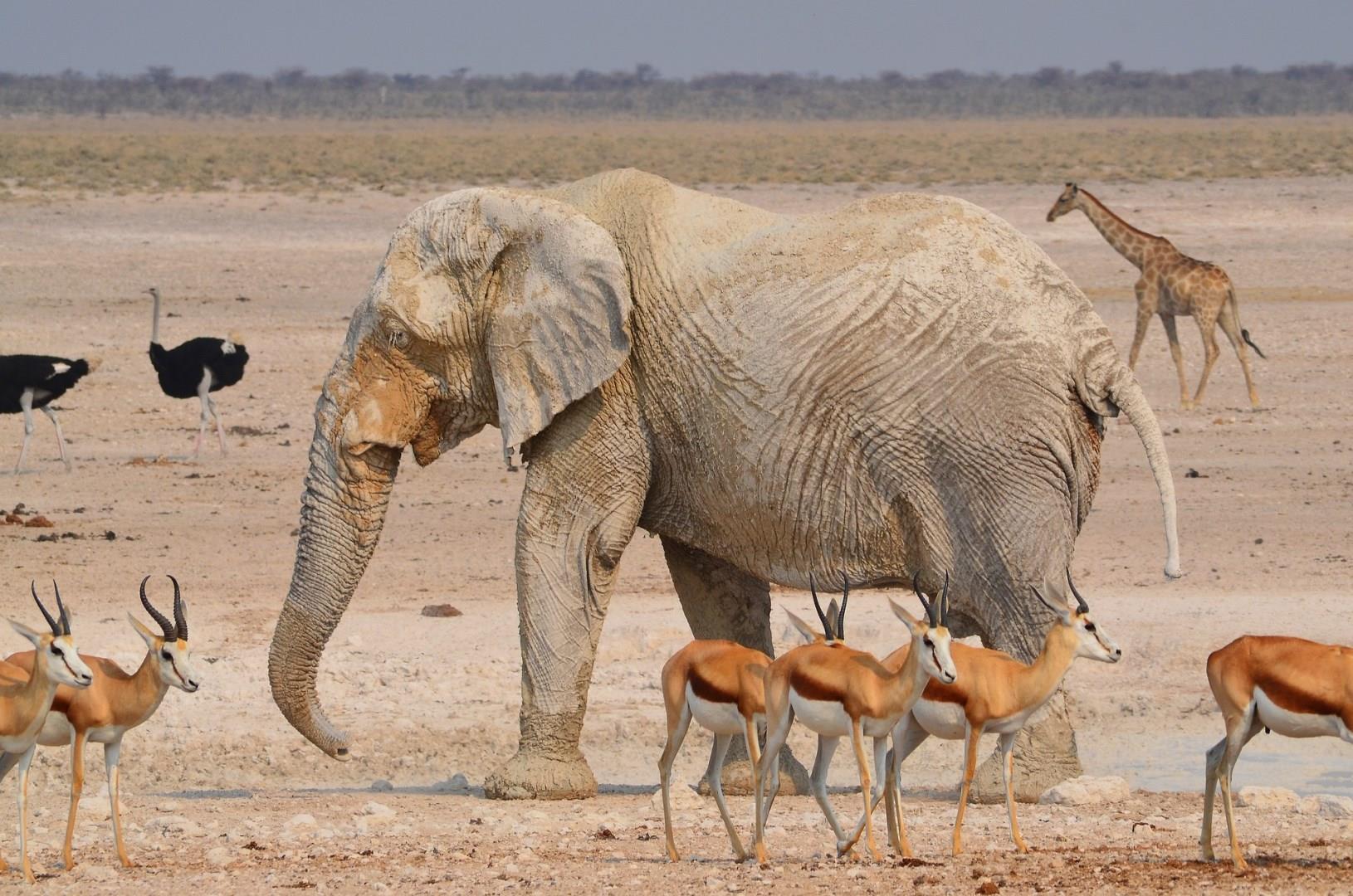

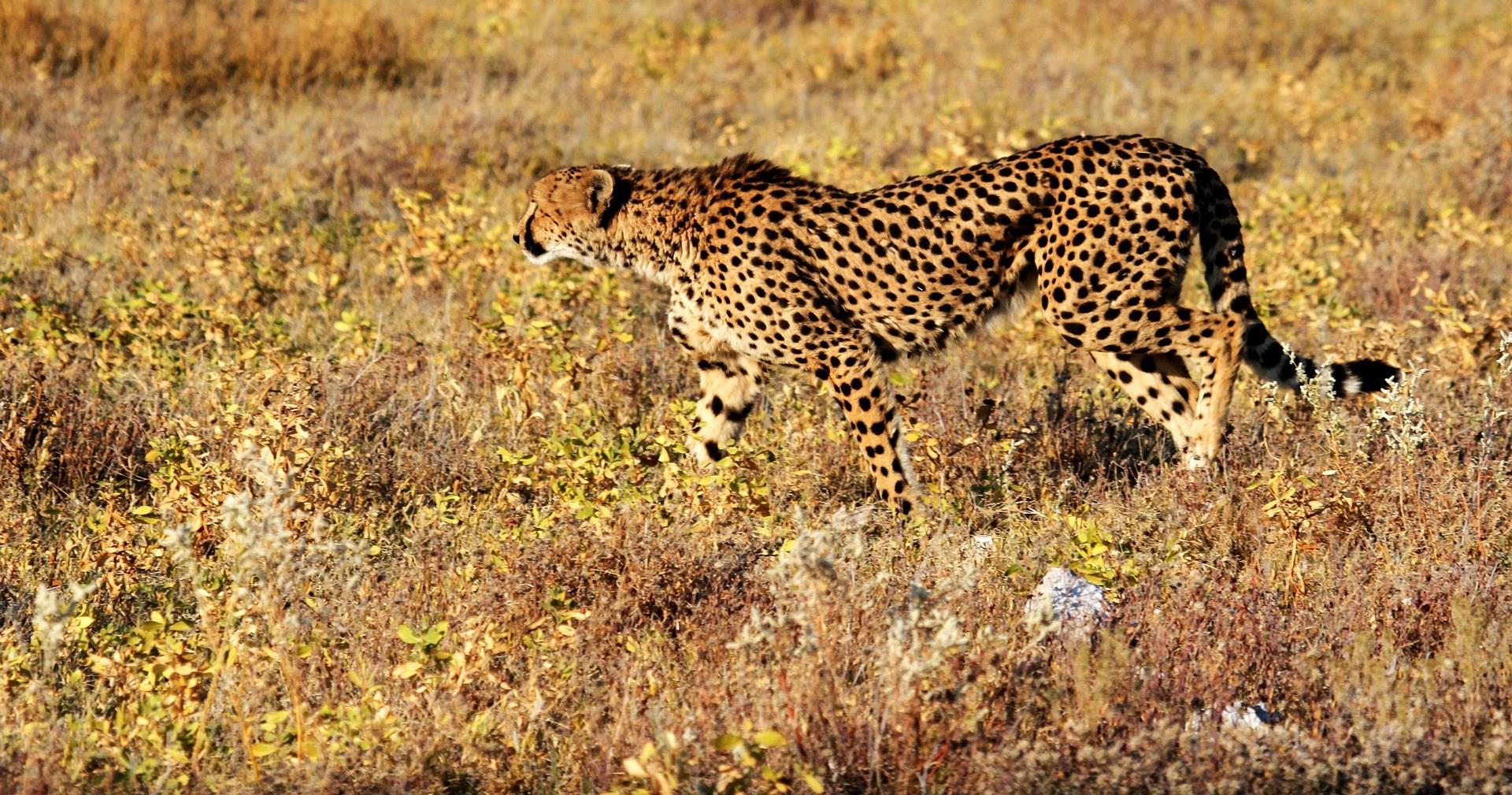


Etosha National Park lies in northern Namibia and covers a vast area of salt pans, grasslands, and mopane woodland. The park is centered around the Etosha Pan, a white mineral flat so large it can be seen from space. During the dry months, animals gather around natural and man-made waterholes, creating reliable wildlife viewing conditions. Etosha is known for large populations of elephants, lions, giraffes, springbok, and black rhinoceros. Unlike many safari destinations, much of the park is accessible by regular vehicle, making self-drive travel common among visitors.
The park holds an important place in Namibia’s conservation identity and is managed by the Ministry of Environment, Forestry and Tourism. Local names and traditions connected to the area reflect the influence of Oshindonga-speaking communities, with “Etosha” often translated as “Great White Place.” Research and wildlife monitoring are central to the park’s operations, especially for black rhino protection. The Etosha Ecological Institute at Okaukuejo supports long-term studies of predators, migration patterns, and waterhole activity, helping maintain one of southern Africa’s best-known conservation landscapes.
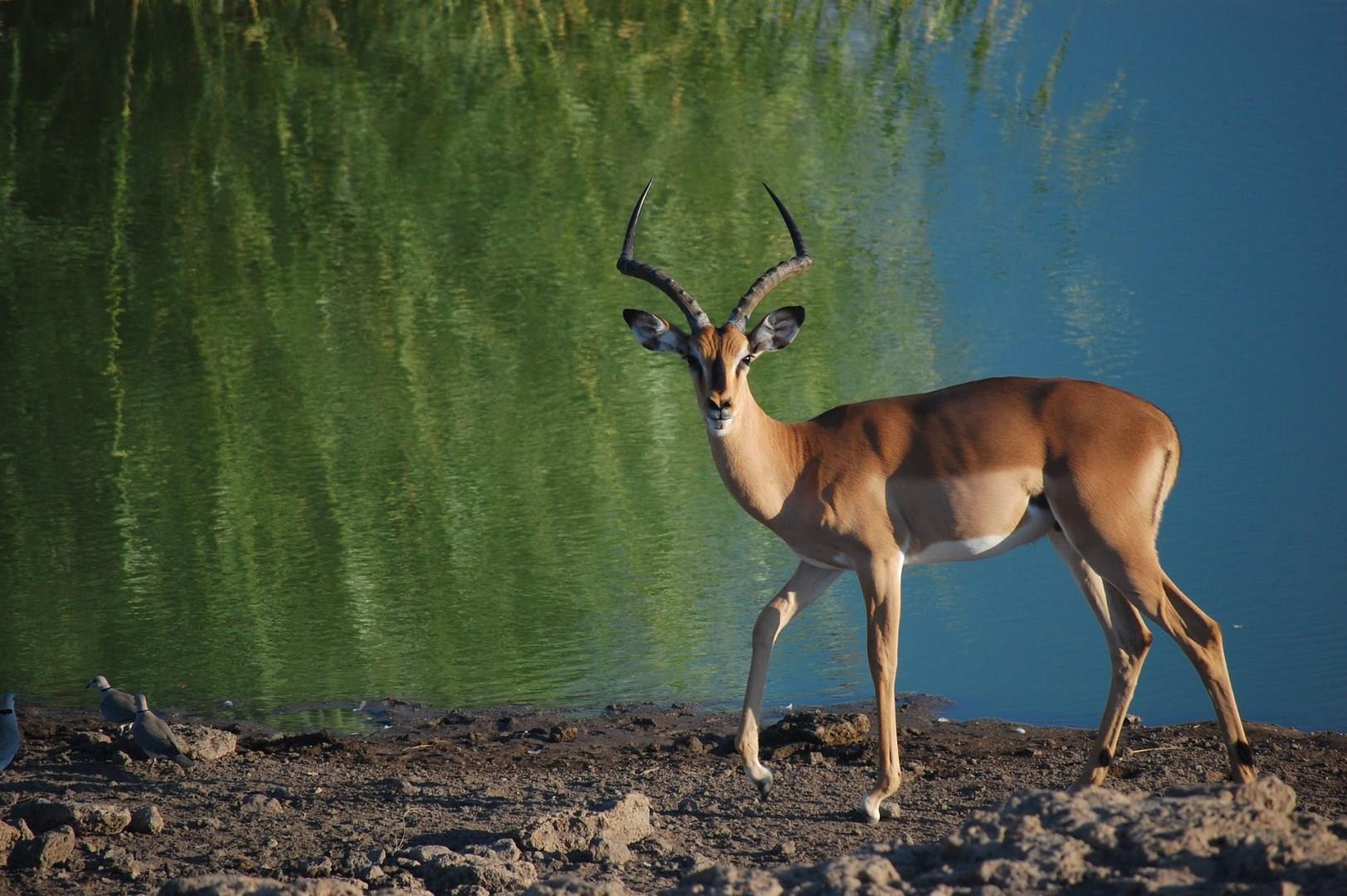
The landscape changes noticeably across the park. The Etosha Pan itself remains mostly dry for much of the year, though seasonal rains can create shallow lakes that attract flamingos and pelicans. Surrounding savannas support zebra, wildebeest, oryx, and rare black-faced impala. Several floodlit waterholes near camps such as Okaukuejo and Halali allow visitors to watch nocturnal animals after sunset, including rhinos and hyenas. Namutoni, built around a restored fort, serves as another well-known stop inside the reserve, while routes between waterholes offer regular sightings of large mammals and birdlife.
Food inside Etosha is generally served through lodge restaurants and rest camps, where Namibian beef, game meat dishes, and grilled specialties are common. Nearby communities and lodges also prepare foods such as potjiekos, a slow-cooked stew traditionally made in cast-iron pots over fire. One lesser-known feature of Etosha is the mineral-rich dust carried from the salt pan by seasonal winds, which influences soil conditions far beyond the park itself. The reserve is also recognized internationally for its strong black rhino population and extensive anti-poaching programs supported by conservation teams and local authorities.