




• Home
  • Client Information
  • About Us
  • Destinations
  • Cruises
  • Tours
  • Contact
  • Home
  • Client Information
  • About Us
  • Destinations
  • Cruises
  • Tours
  • Contact

Xi'an

Slideshow Placeholder
 Photo Credit: XNHZ_681008
Photo Credit: XNHZ_681008
 Photo Credit: XNHZ_681008
 Photo Credit: Sam Erwin
Photo Credit: Sam Erwin
 Photo Credit: Sam Erwin
 Photo Credit: Aaron Greenwood
Photo Credit: Aaron Greenwood
 Photo Credit: Aaron Greenwood
 Photo Credit: Photo by 政 闫 on Unsplash
Photo Credit: Photo by 政 闫 on Unsplash
 Photo Credit: Photo by 政 闫 on Unsplash
 Photo Credit: Photo by Manoj kumar kasirajan on Unsplash
Photo Credit: Photo by Manoj kumar kasirajan on Unsplash
 Photo Credit: Photo by Manoj kumar kasirajan on Unsplash
 Photo Credit: Image by Torpong Tankamhaeng from Pixabay
Photo Credit: Image by Torpong Tankamhaeng from Pixabay
 Photo Credit: Image by Torpong Tankamhaeng from Pixabay
 Photo Credit: Photo by Camillo Corsetti Antonini on Unsplash
Photo Credit: Photo by Camillo Corsetti Antonini on Unsplash
 Photo Credit: Photo by Camillo Corsetti Antonini on Unsplash
 Photo Credit: Photo by ChenXin Zhang on Unsplash
Photo Credit: Photo by ChenXin Zhang on Unsplash
 Photo Credit: Photo by ChenXin Zhang on Unsplash

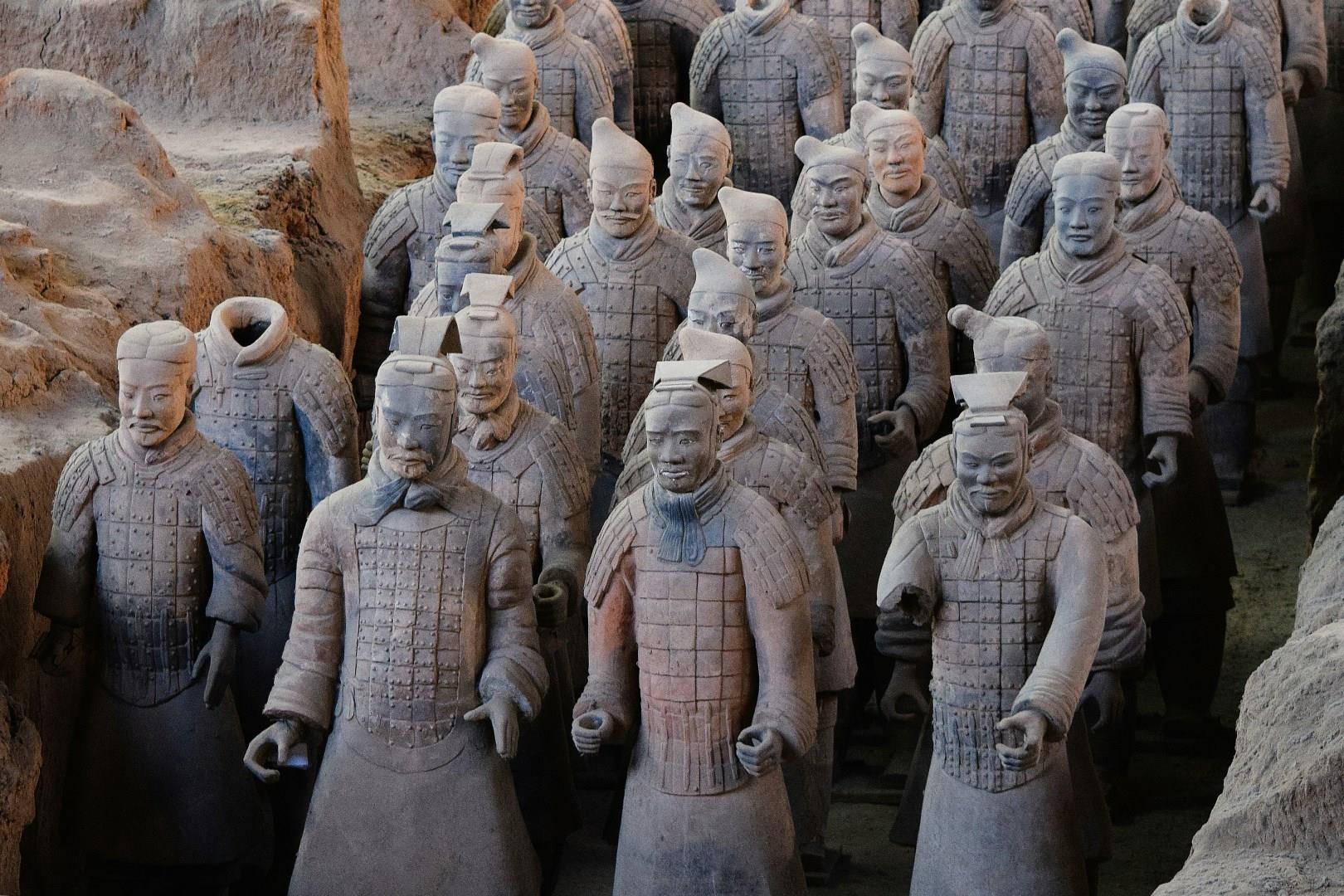
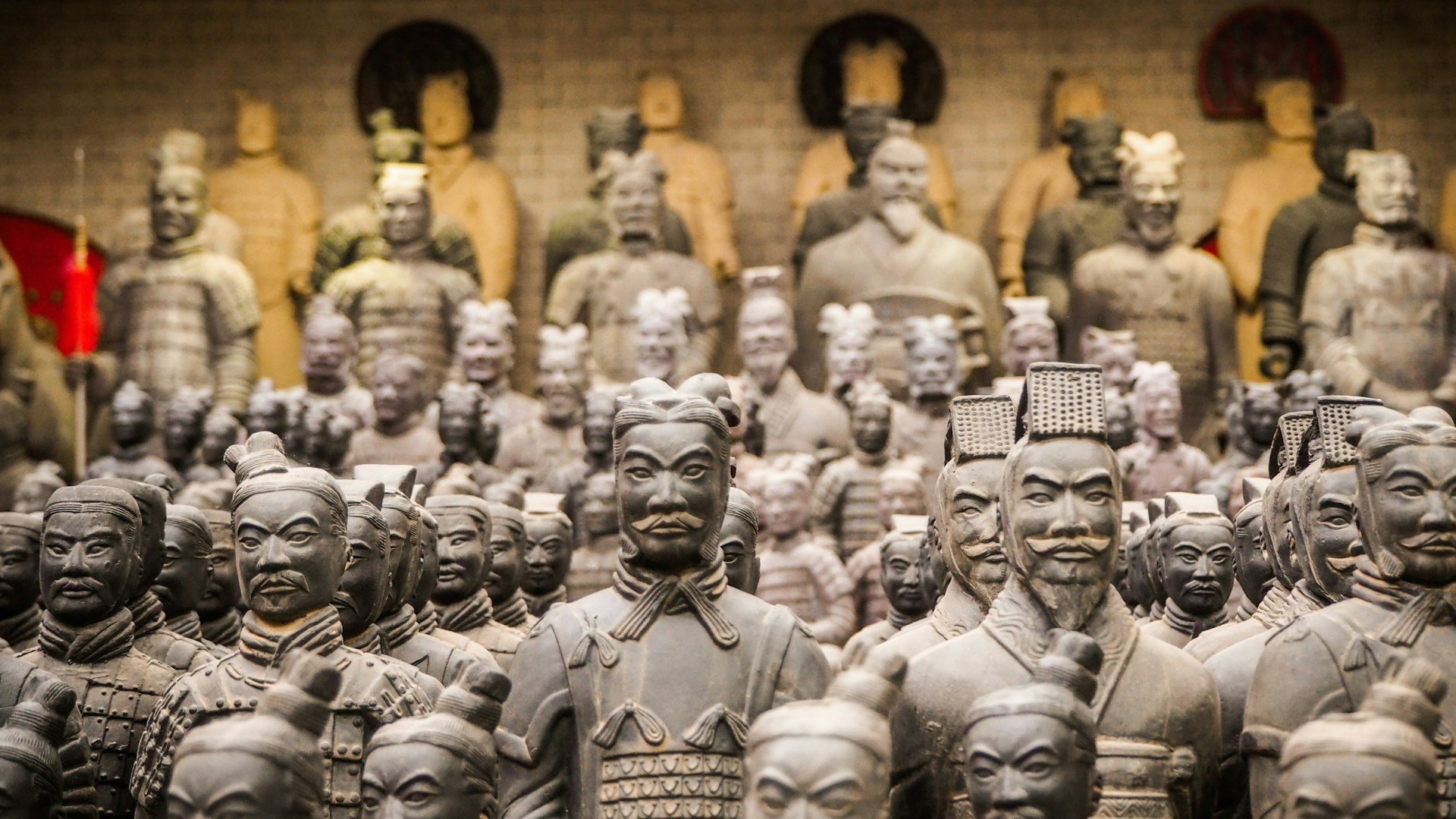
Xi’an, located in central China’s Shaanxi Province, served as the starting point of the ancient Silk Road and was the capital of 13 imperial dynasties. Its long history is most famously represented by the Terracotta Army, an underground army of life-sized warriors discovered in 1974. Each figure has distinct facial features, hairstyles, and armor, designed to protect Emperor Qin Shi Huang in the afterlife. The museum site is located about 40 kilometers from the city center and includes multiple excavation pits, bronze chariots, and a visitor center with detailed exhibits on Qin dynasty craftsmanship.

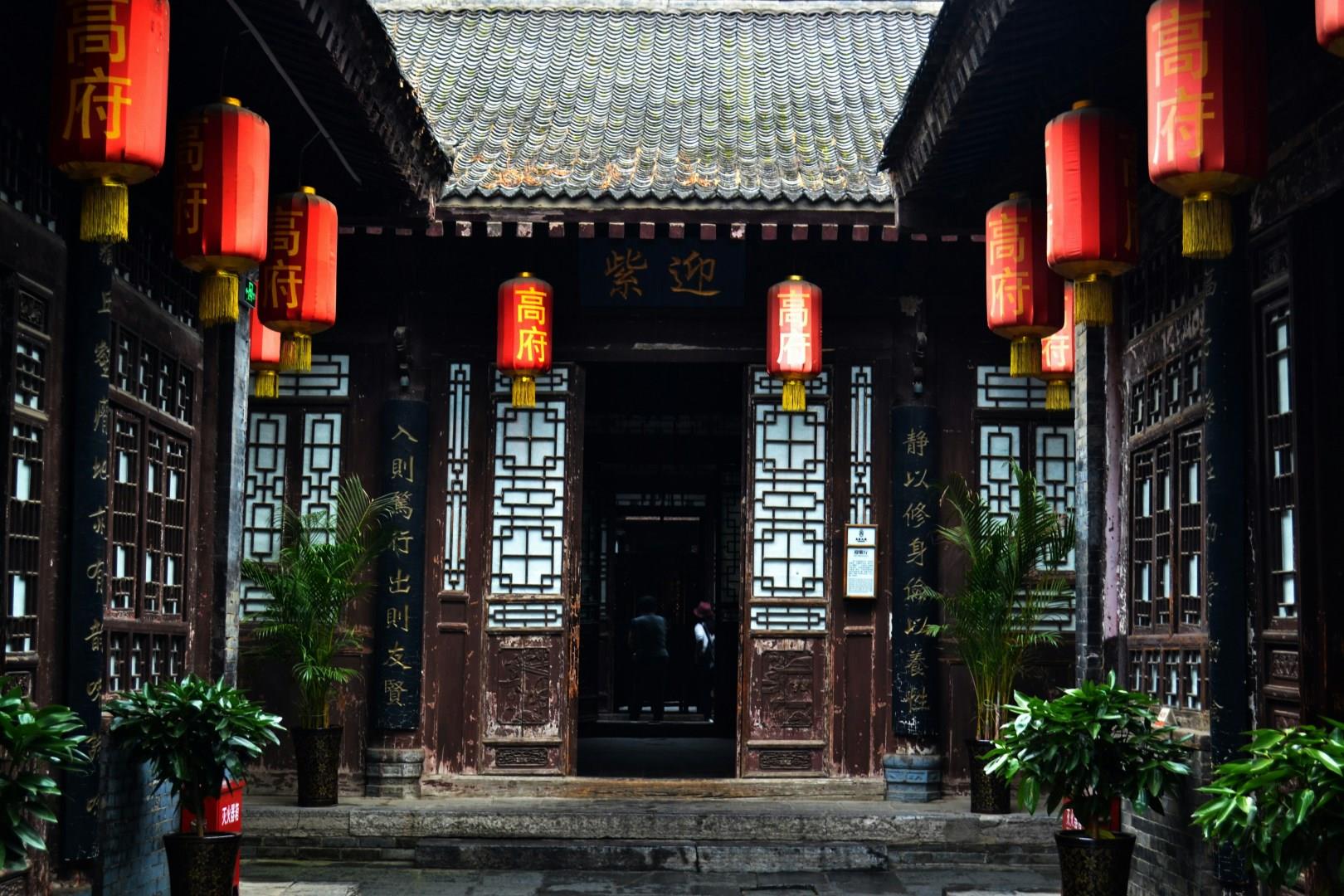
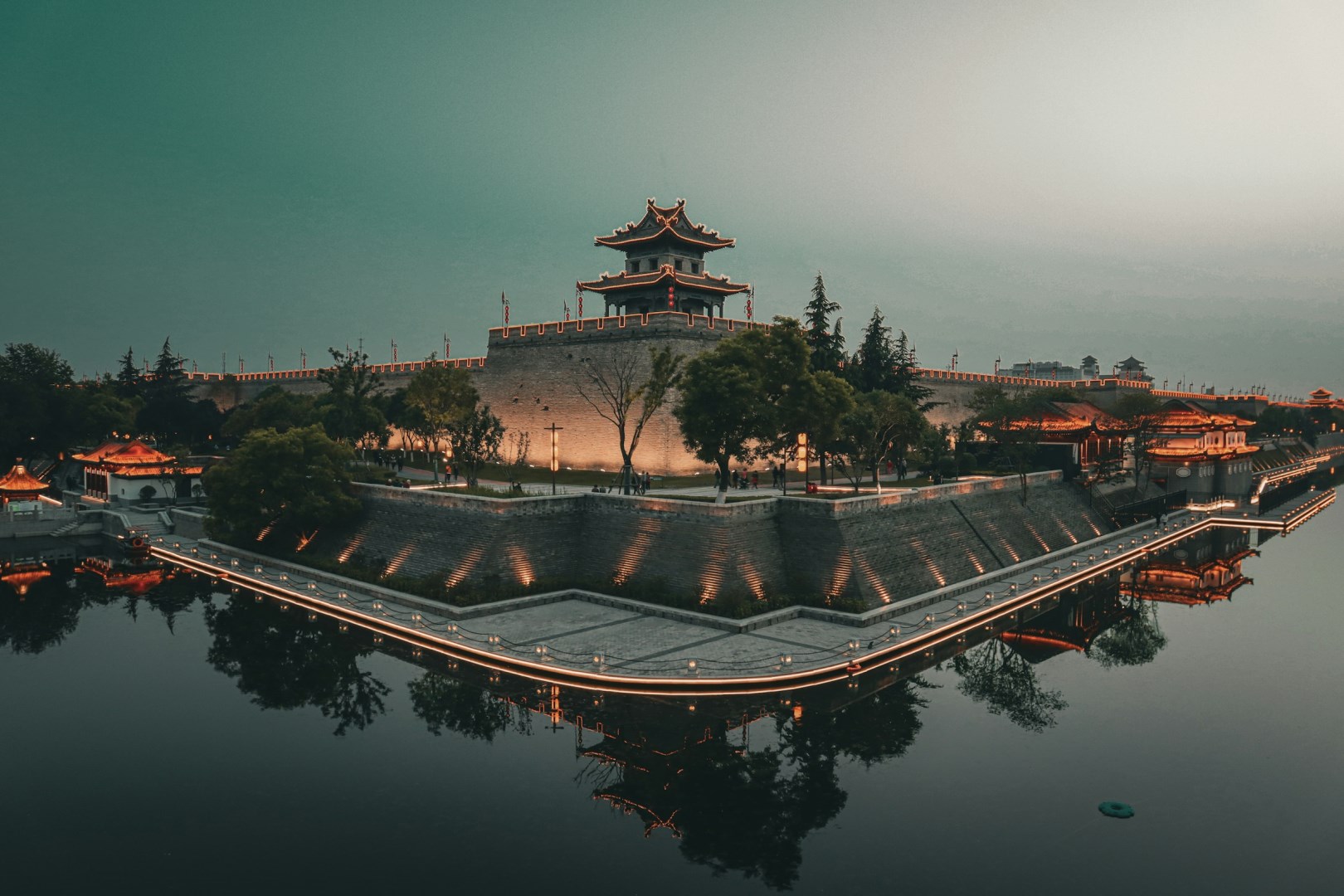
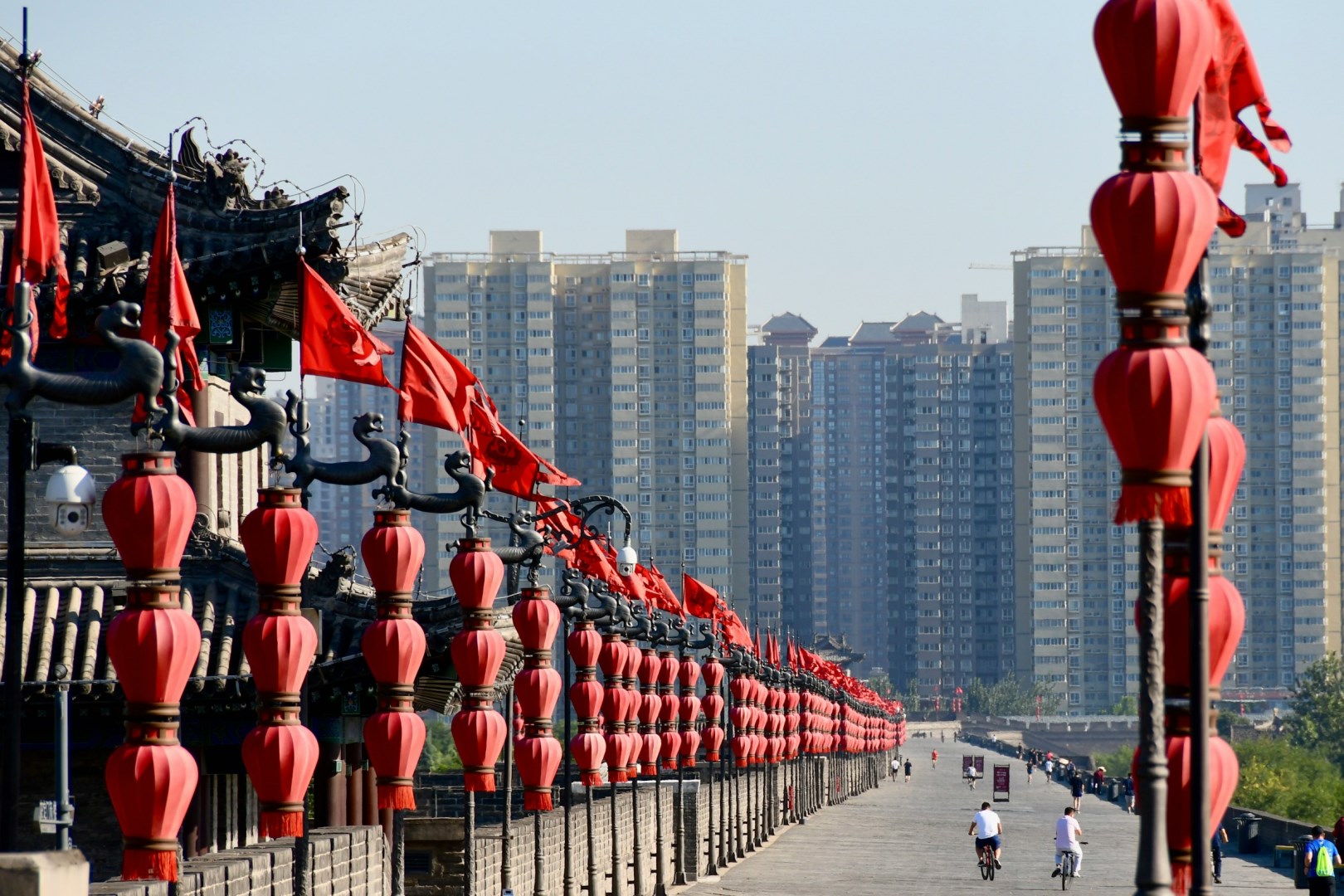
Within the city walls, Xi’an’s heritage is reflected in its architecture and cultural traditions. The 14-kilometer-long ancient City Wall, built during the Ming Dynasty, remains intact and can be explored on foot or by bicycle. It provides a clear view of how the old city grid was laid out, with watchtowers, battlements, and views of both modern high-rises and traditional rooftops. Nearby, the Bell Tower and Drum Tower stand at the city’s historic crossroads, where performances of traditional music are still held in the evenings.

For those interested in local crafts, the city offers a look into traditional papercutting, shadow puppetry, and lacquerware. Many workshops near the Small Wild Goose Pagoda allow visitors to observe artisans at work and try their hand at these skills. The pagoda itself is part of a quieter temple complex that contrasts with the larger and more visited Big Wild Goose Pagoda, which also hosts light shows in the evenings set to music and poetry from the Tang Dynasty.

Placeholder


Placeholder


Email Us

Susan Troth - 

Carolyn Macdonald - carolyn@alphajourneys.org

Andrew Sloan - andrew@alphajourneys.org

Diana Stephenson - diana@alphajourneys.org

Rick Troth, tech consultant - rick@alphajourneys.org


Call Us

Susan: 281-745-7082

Carolyn: 615-504-3200

Andrew: 905-979-6093 

Diana: 937-572-0712


Credentials

IATA ID 10342259

American Society of Travel Advisors

Terms Of Use | Privacy Policy